Why Low-Cost Dividend Funds Like Liberty All-Star Equity Fund Are Trending Among U.S. Investors
In recent years, American investors have started looking for smarter and safer ways to grow wealth while creating a reliable stream of passive income. With inflation, market volatility, and economic uncertainty affecting traditional savings accounts, many people are turning toward dividend-focused investments. One area gaining major attention is low-cost dividend funds.
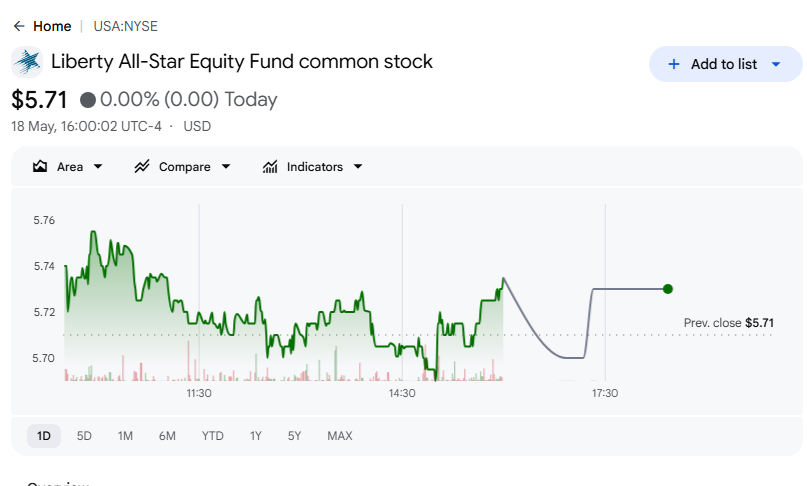
Among these investment options, the Liberty All-Star Equity Fund has become increasingly popular with income-focused investors across the United States. Trading at a relatively affordable price and offering exposure to dividend-paying companies, this type of fund attracts both beginner and experienced investors.
For people searching for steady income without spending thousands of dollars on expensive stocks, low-cost dividend funds offer an appealing opportunity. Investors appreciate the balance of affordability, diversification, and income potential that these funds provide.
What Are Low-Cost Dividend Funds?
Low-cost dividend funds are investment funds that focus on companies paying regular dividends while maintaining a relatively affordable share price. These funds allow investors to gain exposure to multiple dividend-paying companies without purchasing individual stocks separately.
Instead of relying on a single company for returns, investors benefit from diversification. This reduces risk and creates a more stable investing experience over time.
Dividend funds are especially popular among:
- Retirement investors
- Passive income seekers
- Long-term investors
- Beginners entering the stock market
- Investors looking for monthly or quarterly income
In the United States, dividend investing has become one of the most trusted wealth-building strategies because it combines capital appreciation with regular cash payouts
Why U.S. Investors Are Paying Attention in 2026
The financial landscape in America has changed significantly over the past few years. Rising living costs and uncertain economic conditions have encouraged people to search for investments that can provide stable income.
Many investors are now prioritizing:
- Cash flow over speculation
- Lower-risk investments
- Consistent dividend payments
- Affordable entry points
- Diversified portfolios
Technology stocks and growth companies may deliver rapid gains during bull markets, but dividend funds provide something many investors value even more: consistency.
Low-cost dividend funds allow everyday Americans to participate in the stock market without needing large amounts of capital. Instead of purchasing expensive blue-chip stocks individually, investors can buy shares in diversified funds at a much lower price.
This accessibility is one reason dividend funds are trending across the United States.
Understanding Liberty All-Star Equity Fund
The Liberty All-Star Equity Fund is a closed-end equity fund listed on the NYSE. It is known for focusing on long-term capital growth while also providing regular distributions to shareholders.
One reason investors are attracted to this fund is affordability. Trading at a lower share price compared to many well-known dividend stocks, it offers a convenient way for smaller investors to enter the market.
Another major advantage is diversification. The fund includes investments across multiple sectors and industries, helping reduce dependence on any single company.
For investors trying to build passive income portfolios, this type of diversification matters. Market downturns can affect individual stocks heavily, but diversified funds often provide better stability.
The Growing Demand for Passive Income
Passive income has become one of the biggest financial trends in America. Millions of people are searching for ways to earn money beyond traditional employment.
Dividend investing fits perfectly into this strategy because it allows investors to receive regular payments simply for owning shares.
Low-cost dividend funds have become especially attractive because they lower the barrier to entry. Instead of investing thousands of dollars, investors can start with smaller amounts while still benefiting from dividend distributions.
This trend is particularly strong among:
- Millennials building long-term wealth
- Retirees seeking steady income
- Young professionals starting investment portfolios
- Middle-income households looking for financial security
As awareness of financial independence grows, dividend-focused investing continues expanding in popularity.
Affordable Investing Matters More Than Ever
One major reason low-cost dividend funds are trending is affordability.
Not every investor can buy high-priced stocks like large technology companies or premium blue-chip shares. Many Americans prefer investments that fit realistic monthly budgets.
Affordable dividend funds provide flexibility. Investors can gradually build positions over time without needing substantial capital upfront.
This creates several benefits:
Easier Portfolio Building
Investors can diversify across multiple funds without overextending financially.
Lower Emotional Stress
Smaller investments often reduce panic during market fluctuations.
Consistent Investing Habits
Affordable pricing encourages regular monthly investing, which helps long-term wealth creation.
Accessibility for Beginners
New investors feel more comfortable entering the market through lower-cost opportunities.
The psychological advantage of affordable investing should not be underestimated. Many people delay investing because they believe it requires huge amounts of money.
Low-cost dividend funds challenge that belief.
Dividend Investing and Retirement Planning
Retirement planning remains one of the strongest drivers behind dividend investing in the United States.
Americans are increasingly concerned about:
- Rising healthcare costs
- Inflation
- Social Security uncertainty
- Market volatility
- Long-term financial security
Dividend-focused funds can help supplement retirement income by generating recurring cash flow.
Many retirement investors prefer dividend strategies because they offer both growth potential and income generation. Instead of selling shares regularly, investors can use dividend payouts to support expenses.
Low-cost dividend funds are particularly attractive because they allow retirees to maintain diversified exposure without concentrating too much money into a few expensive stocks.
Market Volatility Is Changing Investor Behavior
Recent years have shown investors how unpredictable markets can become. Economic uncertainty, interest rate changes, and inflation concerns have all affected investor confidence.
As a result, many people are shifting away from purely speculative investing strategies.
Dividend-paying investments are often viewed as more stable because companies distributing dividends typically have established business models and stronger financial foundations.
Funds focused on dividend-paying companies can provide a sense of stability during uncertain periods.
This does not mean dividend funds are risk-free. Market downturns still affect them. However, many investors appreciate the added income component during volatile markets.
Why Diversification Is Important
Diversification is one of the biggest advantages of dividend funds.
Instead of relying on one company, investors gain exposure to multiple sectors and businesses. This helps reduce overall portfolio risk.
For example, a diversified dividend fund may include companies from:
- Healthcare
- Technology
- Energy
- Financial services
- Consumer goods
- Industrial sectors
If one industry struggles, gains from another sector may help offset losses.
This balanced approach appeals to investors who want growth opportunities without extreme concentration risk.
The Role of Closed-End Funds in Income Investing
Closed-end funds are becoming increasingly recognized among American income investors.
Unlike traditional mutual funds, closed-end funds trade on stock exchanges similarly to regular stocks. This allows investors to buy and sell shares throughout the trading day.
Some closed-end funds trade at discounts compared to their net asset value, which can create additional opportunities for value-focused investors.
Income-oriented investors often appreciate:
- Regular distributions
- Professional management
- Diversification
- Exchange-traded flexibility
Funds like Liberty All-Star Equity Fund fit into this category, making them appealing for long-term dividend-focused portfolios.
Are Low-Cost Dividend Funds Good for Beginners?
For many beginners, low-cost dividend funds can be an excellent starting point.
New investors often struggle with selecting individual stocks. Dividend funds simplify the process by providing diversified exposure through a single investment.
Benefits for beginners include:
Simplicity
Investors avoid researching dozens of separate companies.
Lower Capital Requirements
Affordable share prices make entry easier.
Reduced Risk
Diversification helps lower company-specific risk.
Passive Income Potential
Dividend payments introduce investors to income investing strategies.
Long-Term Growth Opportunities
Many dividend-focused funds still provide capital appreciation potential over time.
For beginners seeking a balanced approach to investing, dividend funds often provide a practical solution.
Income Investing vs Growth Investing
Many investors debate whether income investing or growth investing is better.
The reality is that both strategies serve different purposes.
Growth investing focuses primarily on increasing stock prices. Dividend investing emphasizes consistent income alongside potential appreciation.
Low-cost dividend funds appeal to investors who value:
- Stability
- Predictable cash flow
- Long-term compounding
- Lower volatility
- Financial flexibility
In uncertain economic environments, these characteristics become increasingly attractive.
The Psychology Behind Dividend Investing
Dividend investing offers psychological benefits that many investors appreciate.
Receiving regular dividend payments creates a sense of progress and consistency. Even during market downturns, investors may continue receiving income distributions.
This can help reduce emotional investing mistakes like panic selling.
Long-term investors often find dividend strategies easier to maintain because they focus on both income and growth rather than short-term price fluctuations.
Risks Investors Should Understand
Although low-cost dividend funds offer many advantages, investors should still understand potential risks.
These include:
- Market volatility
- Dividend reductions
- Interest rate sensitivity
- Economic downturns
- Management performance risks
No investment is guaranteed to generate profits. Investors should always research funds carefully and ensure investments align with personal financial goals.
Diversification and long-term thinking remain important.
Why This Trend May Continue
Several factors suggest low-cost dividend funds may continue gaining popularity in America:
Rising Interest in Passive Income
More people want investments that generate recurring cash flow.
Growing Financial Education
Online investing education has increased awareness of dividend strategies.
Retirement Concerns
Americans continue searching for sustainable retirement income solutions.
Accessibility Through Modern Trading Platforms
Investment apps and online brokerages make dividend investing easier than ever.
Economic Uncertainty
Investors increasingly value stability and diversification.
As these trends continue, dividend-focused investing will likely remain an important part of the U.S. financial landscape.
Final Thoughts
Low-cost dividend funds are attracting growing attention from American investors for good reason. They provide affordability, diversification, passive income potential, and accessibility for investors at nearly every experience level.
Funds like Liberty All-Star Equity Fund represent the broader shift toward practical, income-focused investing strategies. Instead of chasing only high-growth opportunities, many investors are prioritizing stability and long-term financial sustainability.
Whether someone is building a retirement portfolio, seeking passive income, or simply starting their investing journey, dividend-focused funds offer a compelling option worth exploring.
As the demand for reliable income investments continues rising in the United States, low-cost dividend funds are likely to remain a major trend in the years ahead.