Best Penny Stocks to Buy Now in the USA

Penny stocks have always attracted investors who are willing to take calculated risks in exchange for the possibility of outsized returns. In the United States stock market, penny stocks are typically shares trading below $5 and are often associated with small or emerging companies. While these stocks are known for volatility, they also present unique opportunities for investors who understand how to evaluate them properly.
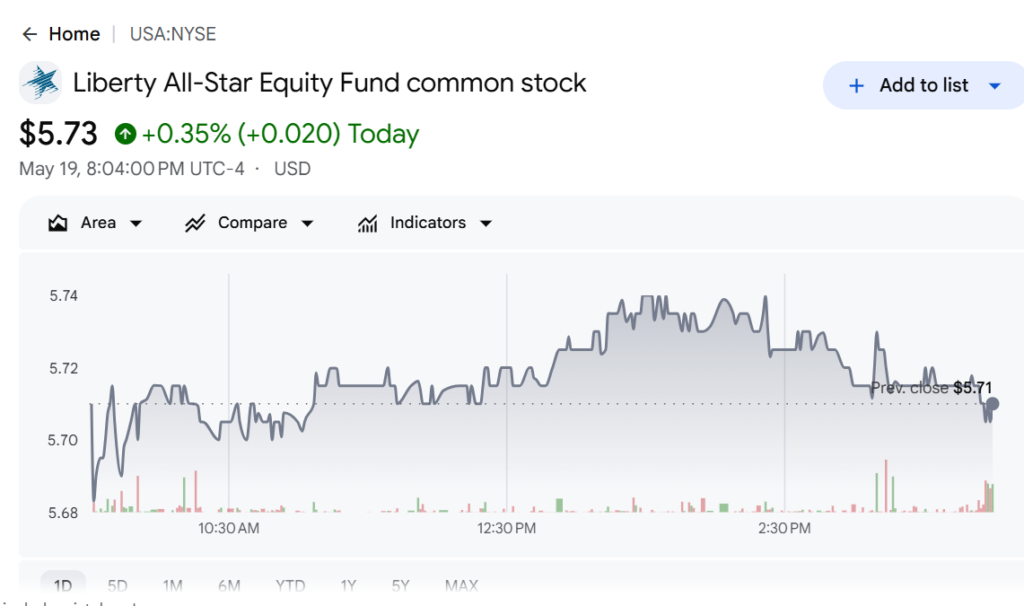
In recent years, interest in US penny stocks has grown rapidly. Retail investors, swing traders, and even long-term investors are searching for undervalued companies that have the potential to grow as industries evolve. This guide explains what penny stocks are, why they attract investors, how to evaluate them, and which types of penny stocks in the USA deserve attention right now.
This article is written for US-based investors who want clarity, practical insight, and realistic expectations—not hype.
What Are Penny Stocks in the USA?
In the United States, penny stocks generally refer to stocks priced under $5 per share. These companies are usually small-cap or micro-cap businesses that may be in early growth stages, turnaround phases, or niche markets. Many penny stocks trade on major exchanges like NYSE and NASDAQ, while others trade on over-the-counter markets.
Unlike well-known blue-chip stocks, penny stocks often operate with limited analyst coverage and lower public visibility. That lack of attention is exactly why some investors see opportunity. When a company improves its fundamentals, expands revenue, or benefits from industry growth, its stock price can move sharply.
However, low price does not always mean undervalued. Some penny stocks remain cheap because the business is struggling. Understanding the difference is critical.
Why Investors Look for Penny Stocks Now
Several market conditions have renewed interest in penny stocks in the USA. Higher interest rates, sector rotations, and the rise of emerging industries have created situations where small companies can grow faster than large, established firms.
Many investors also prefer penny stocks because they allow portfolio diversification with a smaller capital commitment. Buying 500 shares of a $2 stock feels more accessible than buying one share of a $1,000 stock, even though valuation matters more than price.
Another reason is momentum. Penny stocks often move quickly on earnings surprises, new contracts, regulatory changes, or shifts in consumer demand. For traders, this volatility creates opportunity. For long-term investors, early entry into a growing company can be rewarding.
Key Factors to Check Before Buying Penny Stocks
Before selecting any penny stock in the US market, it is important to look beyond price. Successful investors focus on business quality and future potential.
Revenue growth is one of the strongest indicators. A company that shows consistent or improving sales is usually healthier than one with declining revenue. Even small increases matter at this stage.
Debt levels should also be reviewed. Many penny stock companies struggle under heavy debt, which can limit growth and dilute shareholders. Lower debt or improving balance sheets are positive signs.
Cash flow is another important factor. Companies that generate cash from operations are less likely to rely on frequent share dilution. While not all penny stocks are profitable, improving cash flow trends indicate progress.
Finally, management credibility plays a major role. Transparent leadership, clear business strategy, and realistic guidance build investor confidence.
n the United States, penny stocks generally refer to stocks priced under $5 per share. These companies are usually small-cap or micro-cap businesses that may be in early growth stages, turnaround phases, or niche markets. Many penny stocks trade on major exchanges like NYSE and NASDAQ, while others trade on over-the-counter markets.
Unlike well-known blue-chip stocks, penny stocks often operate with limited analyst coverage and lower public visibility. That lack of attention is exactly why some investors see opportunity. When a company improves its fundamentals, expands revenue, or benefits from industry growth, its stock price can move sharply.
However, low price does not always mean undervalued. Some penny stocks remain cheap because the business is struggling. Understanding the difference is critical.
Penny Stocks With Strong Growth Themes in the USA
Instead of chasing random tickers, smart investors focus on industries with long-term growth potential. Penny stocks aligned with strong economic trends have a better chance of success.
Technology-driven penny stocks remain popular in the USA. Small companies involved in cloud services, cybersecurity, data analytics, and artificial intelligence often start at low valuations. As contracts grow and revenue stabilizes, these stocks can reprice higher.
Healthcare penny stocks are another major category. US biotech and medical device companies frequently trade as penny stocks during early research or development phases. Positive clinical results or FDA approvals can dramatically change their outlook.
Energy transition stocks are also gaining attention. Renewable energy, battery technology, and clean infrastructure companies often begin as penny stocks before scaling. As the US focuses more on sustainability and energy independence, these companies may benefit.
Logistics, transportation, and specialty manufacturing penny stocks have also gained momentum due to supply chain restructuring and domestic production growth in the USA.
Best Penny Stocks to Buy Now in the USA (By Category)
Rather than listing random stock names, it is more practical to understand which types of penny stocks are attractive today. This approach helps investors adapt as markets change.
Growth-focused penny stocks with rising revenue and expanding customer bases deserve close attention. These companies may not be profitable yet, but they show clear demand for their products or services.
Turnaround penny stocks are companies recovering from financial trouble. If management restructures debt, improves efficiency, or refocuses operations, the stock can rebound strongly.
Value-oriented penny stocks trade below their intrinsic worth based on assets, cash, or earnings potential. These stocks appeal to patient investors who are willing to wait for market recognition.
Momentum penny stocks attract short-term traders. These stocks move based on volume, news, or technical patterns rather than long-term fundamentals. Risk is higher, but rewards can be quick.
How to Reduce Risk When Investing in Penny Stocks
Risk management is essential when dealing with penny stocks in the USA. Volatility is part of the game, but losses can be controlled with discipline.
Diversification is one of the simplest strategies. Instead of putting all capital into one penny stock, spreading investment across multiple sectors reduces exposure to a single failure.
Position sizing also matters. Penny stocks should represent only a portion of a portfolio, not the entire investment strategy. Even experienced investors limit exposure.
Using stop-loss levels helps protect capital. If a stock breaks below a key support level, exiting early can prevent larger losses.
Avoid emotional decisions. Penny stocks often experience sharp intraday moves. Chasing price spikes without research usually ends badly.
Penny Stocks vs Blue-Chip Stocks: A Reality Check
Penny stocks are not replacements for established US stocks. They serve a different purpose in a portfolio. Blue-chip stocks provide stability, dividends, and predictable growth. Penny stocks offer potential acceleration but come with uncertainty.
Investors who understand this balance tend to perform better. Penny stocks work best as growth or speculative components alongside safer investments.
Are Penny Stocks Good for Beginners?
Beginners can invest in penny stocks, but education is essential. Without understanding financial statements, market behavior, and risk control, new investors often lose money.
For beginners in the USA, starting with penny stocks listed on major exchanges is safer than unregulated OTC stocks. Exchange-listed companies follow stricter reporting standards.
Paper trading or small investments can help beginners gain experience before committing serious capital.
Long-Term vs Short-Term Penny Stock Investing
Some investors trade penny stocks for quick gains, while others hold them for years. Both approaches can work depending on strategy.
Short-term traders focus on price action, volume, and news. They enter and exit quickly, sometimes within days or hours.
Long-term investors study business fundamentals and industry trends. They are willing to hold through volatility as long as the company continues improving.
Choosing one approach and sticking to it reduces confusion and emotional mistakes.
Common Mistakes to Avoid With Penny Stocks
One of the biggest mistakes is buying based on hype. Social media buzz often exaggerates potential and hides risk.
Another mistake is ignoring dilution. Many penny stock companies issue new shares to raise capital, which reduces the value of existing shares.
Failing to research financials is also costly. Even basic revenue and debt analysis can prevent bad investments.
Finally, overtrading leads to unnecessary losses through fees and emotional decisions.
Final Thoughts
Penny stocks in the USA can be rewarding for investors who approach them with patience, research, and realistic expectations. They are not guaranteed winners, but they offer opportunities that large-cap stocks often cannot.
The best penny stocks to buy now in the USA are those backed by real businesses, growing demand, responsible management, and strong industry trends. Investors who focus on quality rather than price alone stand a better chance of success.
Penny stock investing is about discipline, not luck. When done correctly, it can be a powerful addition to a diversified portfolio.
Yes, penny stocks are legal and widely traded in the US stock market, including NYSE, NASDAQ, and OTC platforms.
Some investors have made significant gains, but most penny stocks fail. Success depends on research, timing, and risk management.
Buying exchange-listed penny stocks, diversifying investments, and using stop-loss strategies are safer approaches.
Only invest money you can afford to lose. Penny stocks should be a small part of a balanced portfolio.
Most penny stocks do not pay dividends. They reinvest earnings for growth or operate at early-stage levels.